Less crime
We want to build a more humane and effective response to crime in England and Wales, which provides justice to all and helps to reduce reoffending.
Read our strategy →Safer communities
We want to see sensible changes that make communities safer, and to move away from unjust punishments that are counter-productive.
Read about the work we do →Fewer people in prison
We want to reduce the prison population, because jails that are overcrowded and unsafe will never help people to turn their lives around and move on from crime.
Find out how you can help →The prison population in England and Wales is higher than in any other country in Western Europe. Thousands of people in prison are forced to share cells that are designed for one person. Staff shortages mean that many people are kept inside their cells for 23 hours a day, locked up with nothing to do. Click the link below to find out which prisons are overcrowded.
Find out more about our work
-

Spotlights
Our series of online events aimed at lifting the lid on prisons.
-
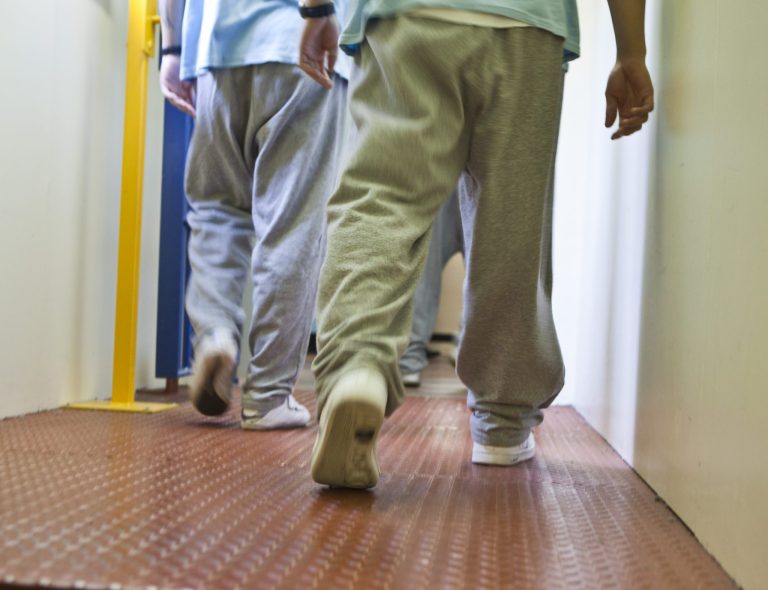
Our strategy
We want to build a more humane and effective response to crime that provides justice and helps to reduce reoffending.
-

Briefings and submissions
We advise politicians, policy-makers and senior practitioners on prisons and the wider criminal justice system.
-

Legal advice for children and young people in prison
The only dedicated advice line for children and young people in custody in England and Wales.
-

PAVA spray
This weapon is being used in prisons holding children. We are monitoring its use and governance closely, and advising those affected.
-
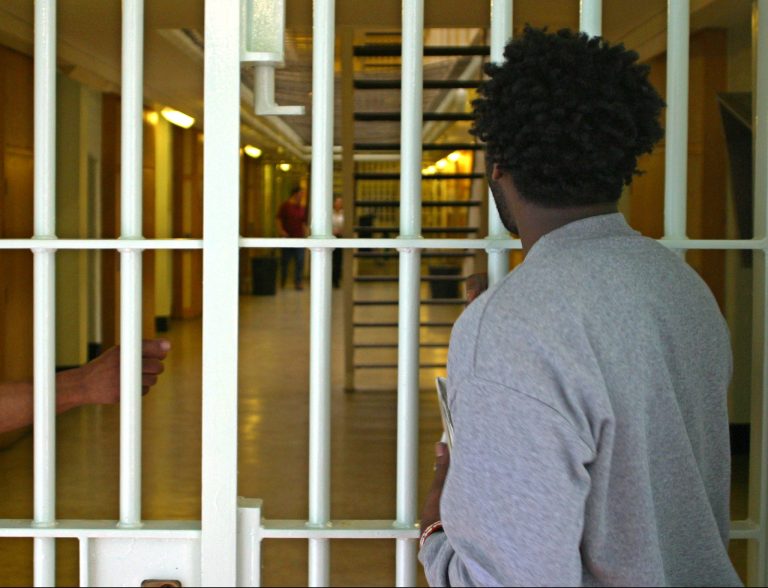
What is sentence inflation?
Explaining how longer sentences have contributed to the prisons crisis.
-
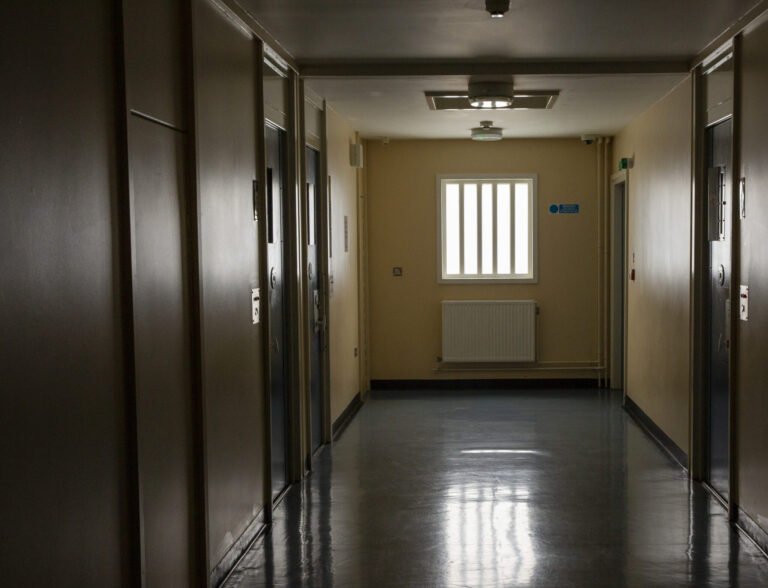
Ending the detention of people on IPP sentences
Six recommendations to end the scandal and protect the public.
-
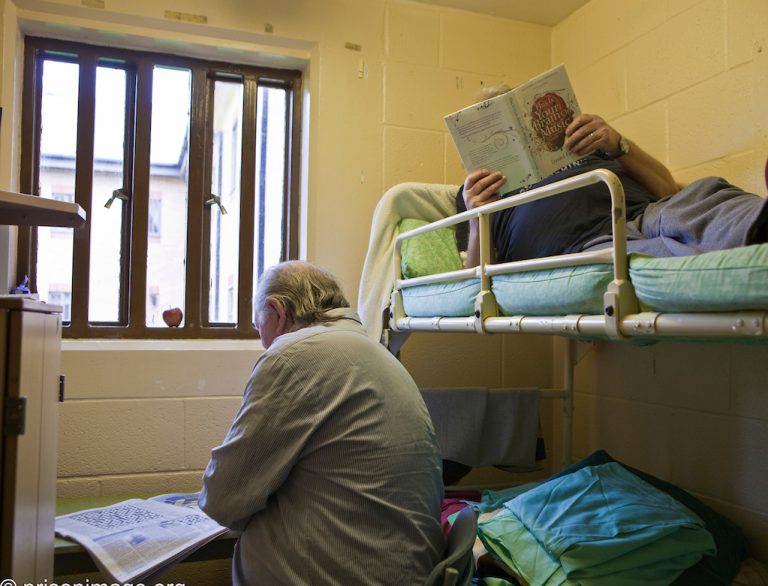
Why are prisons overcrowded?
Explaining the problem, how it arose, and how we might solve it.
Latest blog posts
-
5 Aug 2026
Fire safety failures: another aspect of the prisons crisis
-
22 Jul 2026
How Andy Burnham’s government could find a more lasting solution to the prisons crisis
-
17 Jul 2026
The Trowler Review: A thoughtful and detailed report with much to welcome
-
3 Jul 2026
It’s all about punishment: The statutory instrument bringing changes to additional days, privileges and social visits in prison